
Why Bus Stops Matter More Than We Think
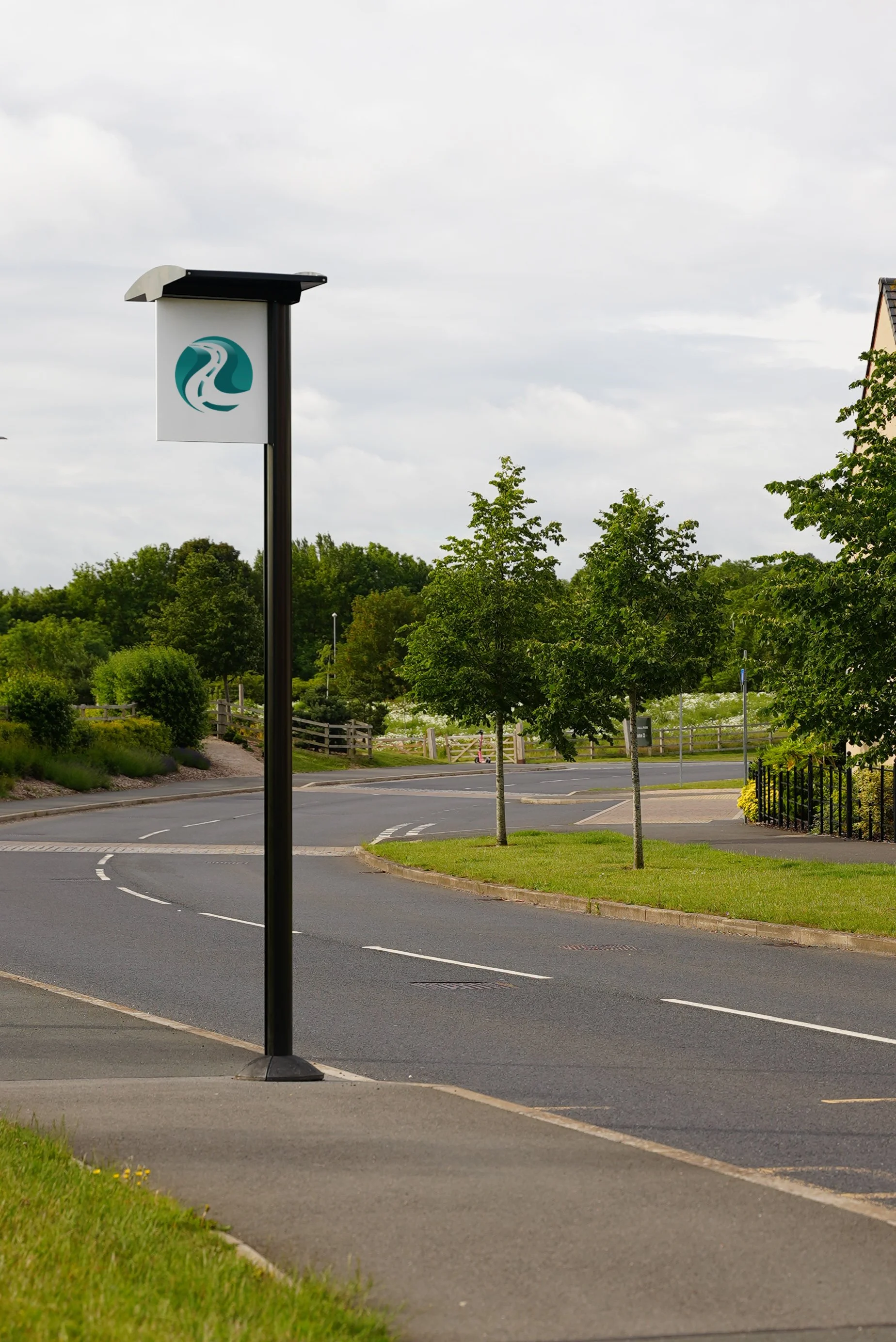
Bus stops are far more than a place to wait for the next service, they’re an essential part of our transport network and the communities they serve. A well-designed bus stop blends seamlessly into its surroundings while providing a clear, visible point for passengers to safely access public transport.
Every day, bus stops connect people to work, education, healthcare, shopping, and leisure. For many, they provide independence and mobility, particularly for older people, students, and those without access to a car. A strategically placed bus stop helps make public transport accessible, reliable, and convenient.
Safety is another key reason bus stops are so important. Clearly identifiable bus stop infrastructure allows drivers to anticipate where buses will stop and where passengers may be crossing the road. Good positioning, visibility, and durable signage all contribute to safer journeys for everyone whether travelling by bus, car, bicycle, or on foot.
Bus stops also play a significant role in encouraging sustainable travel. By making public transport easy to find and use, they help reduce traffic congestion, lower emissions, and support greener, healthier communities.
At first glance, a bus stop may seem like a simple roadside feature. In reality, it represents connectivity, accessibility, and thoughtful infrastructure that keeps communities moving. Investing in high-quality, durable bus stop signs ensures they remain visible, welcoming, and fit for purpose for years to come.
Sometimes, it’s the simplest pieces of street furniture that make the biggest difference to everyday life.